Dallas real estate investments can be a lucrative way to build your wealth and secure your financial future. However, there are times when an investment property may no longer be the right choice for you. In this blog post, we’ll discuss the five signs that it’s time to throw in the towel on your Dallas real estate investment.
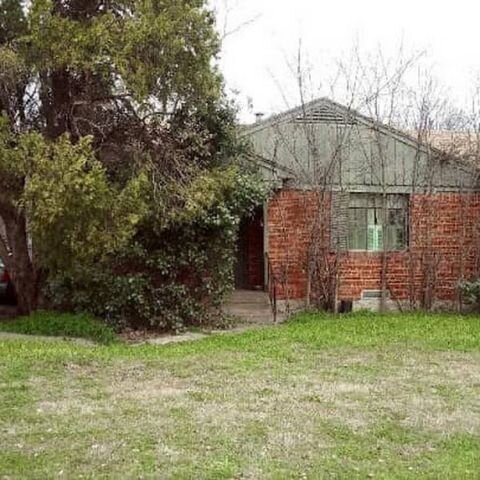
Such as the house in the photo, we purchased that house thinking we were going to be able to rehab it, then sell it retail. Not so fast! Too manybad foundation issues, too many repairs totally to fix-n-flip that house. So, we tore it down, leveled the ground and built a new huose that we did sell for a verynive profit. So yes, you do need to know when it is time to throw in the towel on your real estate investment.
1. Negative Cash Flow
Negative cash flow is a clear indication that your investment property is not performing as well as it should. It means that the expenses associated with the property, such as mortgage payments, taxes, insurance, repairs and maintenance costs, are greater than the income it generates. Negative cash flow can be a sign that it’s time to sell the property and move on to other investments that will provide a better return on investment. Over time, that adds up quickly. Yes, it would be wise to throw in the towel on your real estate investment.
2. High Vacancy Rates
Vacancy rates are another crucial factor to consider when assessing the performance of your investment property. If you have a high vacancy rate, it means that your property is not attracting tenants, and you are losing out on rental income. A high vacancy rate can be a sign that you need to re-evaluate your rental strategy or make improvements to the property to make it more appealing to potential tenants. However, if you have tried everything and the vacancy rate remains high, it may be time to throw in the towel and sell the property and move on.
High vacancy rates in rental properties—especially in markets like Dallas and the broader Dallas–Fort Worth metroplex—can seriously impact a real estate investment. When units sit empty, owners still have to cover mortgages, taxes, insurance, and maintenance without rental income.
The vacancy rate is the percentage of rental units that are unoccupied over a certain period.
Example:
- 10 rental units
- 2 empty units
- Vacancy rate = 20%
For most residential investors, anything above ~8–10% starts to hurt profitability.
3. Declining Property Values
Real estate values are subject to market fluctuations, and it’s not uncommon for property values to rise and fall over time. However, if you notice that property values in your area have been declining consistently, it could be a sign that it’s time to sell. A declining market can make it difficult to sell your investment property for a profit, and you may end up losing money in the long run if you hold onto the property for longer than you should. In some cases, you may be better off to throw in the towel and start selling right away, as opposed to waiting around for things to get worse.
The Dallas–Fort Worth metroplex housing market has been strong for years, but rising interest rates or slowing appreciation can change the math for investors who bought expecting quick equity gains.
4. Major Repairs Needed
Owning an investment property comes with a host of maintenance and repair costs. While minor repairs are a part of the regular upkeep of any property, major repairs can be a significant financial burden. If your property requires major repairs that are beyond your budget, it may be time to sell the property before the situation gets worse. Now, again we are talking about be rady to throw in the towel and sell your property. Older homes in Dallas sometimes hit investors with big expenses like:
- Foundation issues (common in North Texas soil)
- Roof replacement
- HVAC failure
If repairs exceed the property’s potential profit, some investors decide to exit. Delaying necessary repairs can lead to more significant problems down the line, and it may end up costing you more when all is said and done.
5. Personal Circumstances
Finally, personal circumstances can also play a role in your decision to sell your investment property in Dallas. Life changes such as a job relocation, divorce, or the need for immediate cash can make it necessary to sell your property quickly. In such cases, it’s essential to weigh the pros and cons of holding onto the property versus selling it quickly to meet your financial obligations.
We have yet to throw in the towel on any of our properties, because we only buy newer four-plexes (2005 builds or newer). We build four-pexes as well. I have found that building small multifamily properties from the ground up last far longer and stay on our books far longer. You can actually refinance these types of properties severaltimes before considering selling them.
Owning an investment property can be a rewarding experience, but it’s essential to know when it’s time to move on. If you notice any of the five signs mentioned above, is it time to throw in the towel on that property? It may be time to sell your Dallas real estate investment and invest your money elsewhere. Remember, the ultimate goal of any investment is to generate a return on investment, and if your property is not doing that, it’s time to consider other options. If you are looking for a way to quickly sell your bad investment property in Dallas, reach out to our team to find out how we can help you! (214) 723-1304
Some options toconsider instead of “Throwing in the Towel”
Before selling, investors often consider:
1031 exchange to move equity into another property
Refinancing if interest rates drop
Raising rent to match market rates
Short-term rentals (if zoning allows)
Property management to reduce stress
“Throwing in the towel” doesn’t always mean failure—it can simply be a strategic exit from a property that no longer fits your investment goals.