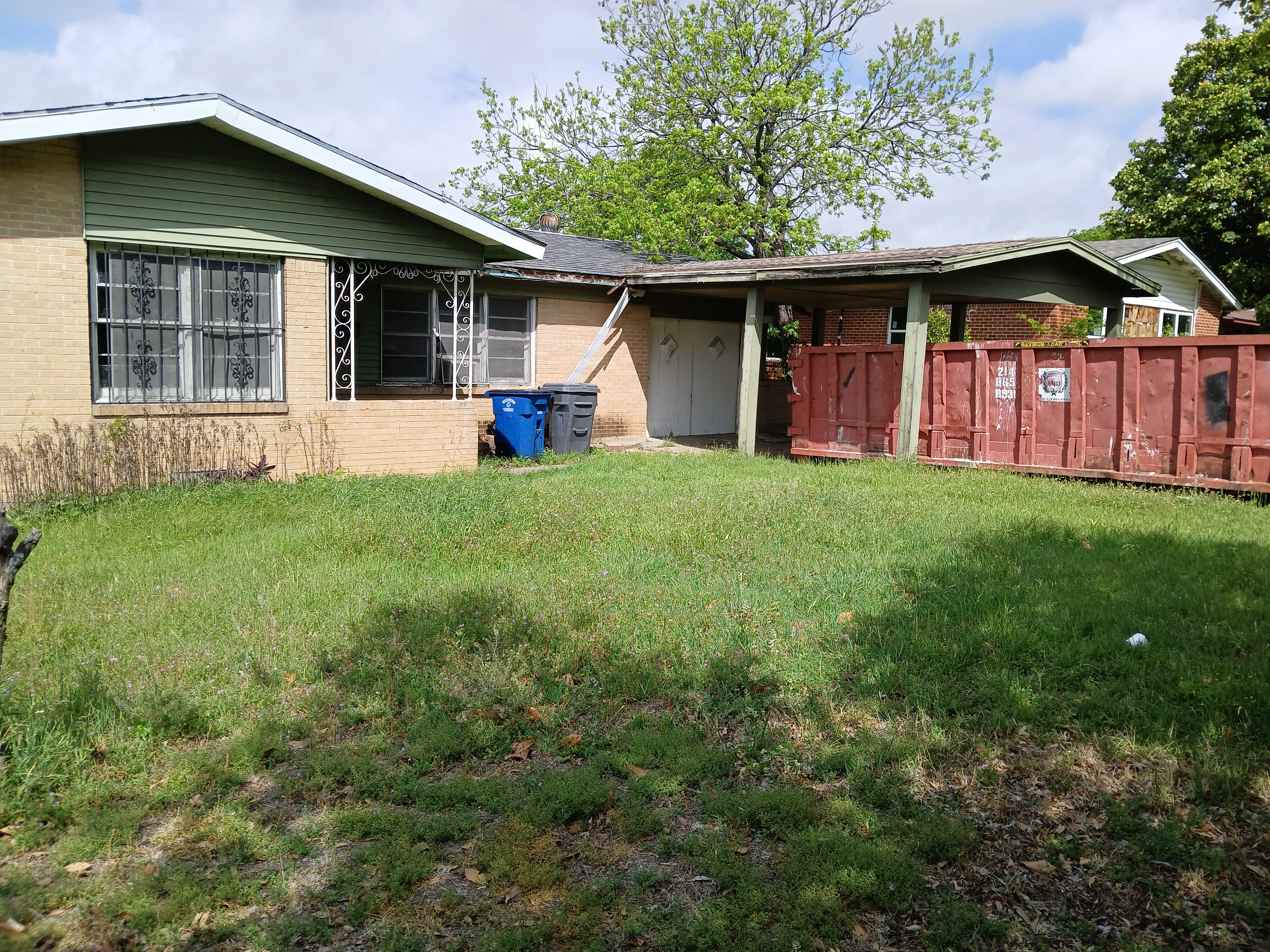
Investing in real estate can be a lucrative business, but it’s not without risk. One of the most significant risks is holding the wrong property for too long. Holding costs can quickly add up, eating away at your profits and even causing you to lose money. In this guide, we’ll take a look at holding costs and how they can impact your bottom line. We’ll also provide a holding cost checklist for investors and property flippers in Dallas, TX to help you avoid some of the most common pitfalls.
What are Holding Costs?
Holding costs are the expenses associated with owning a property that you plan to sell or rent out. These expenses can include mortgage payments, property taxes, insurance, utilities, maintenance, repairs, and more. Essentially, any expense that you incur while holding onto the property is considered a holding cost. These costs can add up quickly, especially
Why are Holding Costs Important?
Holding costs are important because they can significantly impact your profitability. If you hold onto a property for too long, your holding costs can eat away at your profits or even cause you to lose money. For example, if you’re paying $1,000 per month in mortgage payments, property taxes, and utilities, and it takes you six months to sell the property, your holding costs will be $6,000. If you were planning on making a $20,000 profit on the sale, your actual profit will now be reduced to $14,000.
Holding costs can also impact your return on investment (ROI). The longer you hold onto a property, the lower your ROI will be. If you’re planning on flipping a property, for example, you’ll want to sell it as quickly as possible to maximize your ROI. However, if you hold onto the property for too long, your ROI will decrease.
Holding Cost Checklist for Investors and Property Flippers in Dallas, TX
To help you avoid some of the most common holding cost pitfalls, we’ve created a holding cost checklist for investors and property flippers in Dallas, TX. Use this checklist to ensure that you’re factoring in all of the holding costs associated with your property.
1. Mortgage payments: If you have a mortgage on the property, be sure to factor in the monthly payments.
Owning a home comes with more expenses than just the monthly mortgage payment. Whether you’re living in the property, renting it out, or trying to sell it, holding costs can add up quickly. If you’re facing financial hardship, foreclosure, divorce, probate, or simply own a property that needs repairs, understanding these costs can help you make informed decisions.
At 10 Day Home Buyers, we work with homeowners throughout Dallas, TX, who want to avoid unnecessary expenses and sell their homes quickly for cash.
2. Property taxes: Property taxes can vary widely depending on the location and value of the property.
When investing in real estate, many new investors focus on the purchase price and potential profit. However, one of the biggest mistakes investors make is overlooking property taxes and holding costs. These expenses can significantly reduce your return on investment if they aren’t factored into your deal analysis.
At 10 Day Home Buyers, we buy distressed houses throughout Dallas, TX, and we know that understanding these costs is essential for making smart investment decisions.
3. insurance can protect you in case of damage or loss, but it comes at a cost.
Whether you’re buying a fix-and-flip, rental property, or distressed home, understanding your holding costs is essential. Many new investors focus only on the purchase price and renovation budget, but the expenses that accumulate while you own the property can significantly reduce your profits.
At 10 Day Home Buyers, we purchase distressed houses throughout Dallas, TX, and understand that successful investing starts with accurately estimating every cost before making an offer.
4. Utilities: Utilities like electricity, water, and gas can add up quickly, especially if the property is vacant.
5. Maintenance and repairs: Properties require ongoing maintenance and occasional repairs. Be sure to factor in the costs of routine maintenance like lawn care, cleaning, and HVAC maintenance, as well as unexpected repairs.
Whether you’re buying distressed homes, flipping properties, or holding rentals, understanding maintenance, repairs, and holding costs is essential to making profitable investment decisions. Many new investors focus only on the purchase price and resale value, but the ongoing expenses during ownership can quickly reduce or eliminate profits.
At 10 Day Home Buyers, we buy distressed houses throughout Dallas, TX, and understand how these costs affect both investors and homeowners looking to sell quickly.
6. Property management fees: If you’re renting out the property, you may need to pay a property management company to handle tenant issues and collect rent.
7. Homeowner association (HOA) fees: If the property is part of an HOA, you’ll need to pay monthly or annual fees.
8. Vacancy costs: If the property sits vacant for any period, you’ll need to factor in the costs of keeping it secure, maintaining landscaping, and paying utilities.
Owning a vacant property can become much more expensive than many homeowners realize. Whether you’ve inherited a home, are facing foreclosure, have a rental sitting empty, or own a distressed property, every month the home sits vacant costs money.
At 10 Day Home Buyers, we help Dallas homeowners understand the true cost of holding onto a property and provide a fast, hassle-free solution when it’s time to sell.
Vacancy costs are the additional expenses and risks that come from having an empty home.
These include:
- Increased chance of vandalism
- Theft of appliances, copper, or HVAC units
- Water leaks going unnoticed
- Mold growth
- Foundation movement due to lack of maintenance
- Higher insurance premiums
- Utility costs to keep the home operational
- Frequent lawn care to avoid city violations
- Code enforcement fines
- Decreased buyer interest if the property sits too long
A vacant property can actually lose value while costing you money every day.
9. Opportunity cost: The longer you hold onto a property, the more you’re missing out on other investment opportunities. Be sure to factor in the opportunity cost of holding onto the property.
Why Investors Pay Attention to Holding Costs
Real estate investors know that time is money.
Every additional month a property sits unsold reduces overall profit because:
- Interest continues to accrue.
- Taxes keep accumulating.
- Maintenance never stops.
- Market conditions can change.
- Repair costs often increase over time.
That’s why experienced investors calculate holding costs before purchasing any property.
How Selling Quickly Can Save Money
Sometimes the highest offer isn’t the best financial outcome.
A property listed for months may eventually sell for more, but after paying:
- Mortgage payments
- Taxes
- Insurance
- Repairs
- Utilities
- Commissions
- Closing costs
…the net proceeds can be lower than accepting a fair cash offer sooner.
Selling quickly can eliminate months of ongoing expenses and uncertainty.
Why Dallas Homeowners Choose 10 Day Home Buyers
At 10 Day Home Buyers, we purchase houses throughout Dallas and surrounding communities in their current condition.
When you work with us:
- No repairs are required.
- No cleaning is necessary.
- No agent commissions.
- No lengthy listing process.
- Flexible closing timeline.
- Fast, fair cash offers.
Our goal is to help homeowners move forward without the financial burden of continued holding and vacancy costs.
Holding costs are a critical factor to consider when investing in real estate. They can quickly eat away at your profits and impact your ROI. By using the holding cost checklist provided in this guide, you can ensure that you’re factoring in all of the holding costs associated with your property. This will help you make more informed investment decisions and maximize your profitability. Do you have questions about buying or selling real estate in Dallas, TX? Reach out to our team to find out how we help investors and property flippers! (214) 723-1304