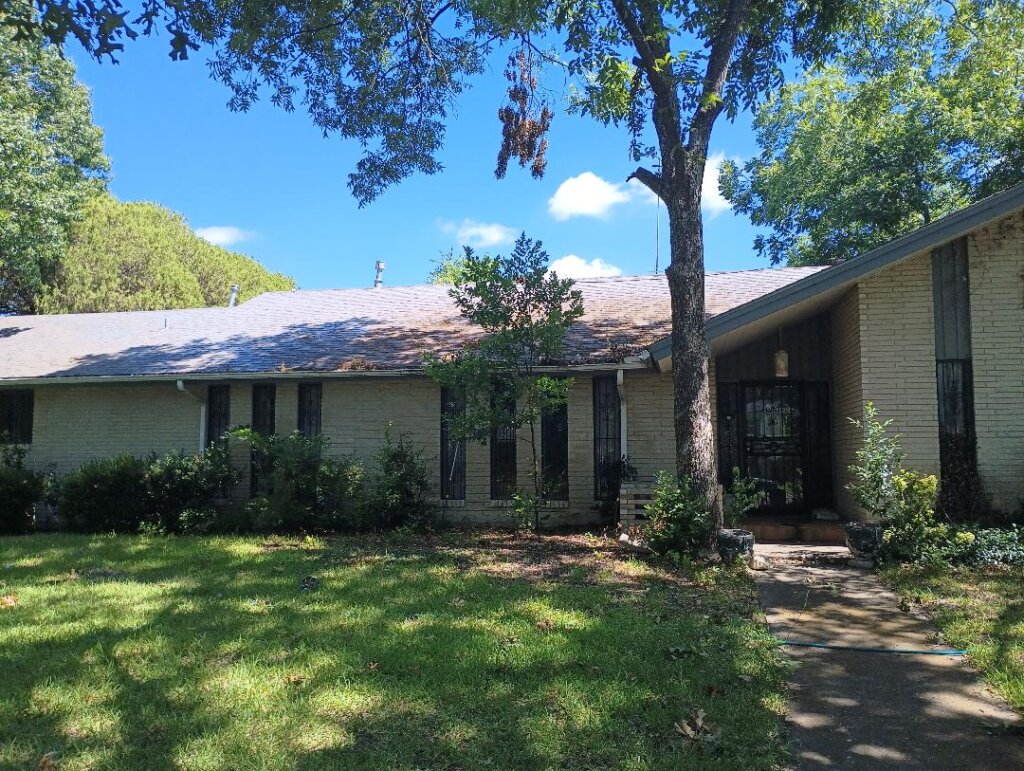
Understanding the foreclosure process in Texas is an important part of navigating your own home foreclosure.
Before we dive in…
Understanding the Foreclosure Process in Texas
What is foreclosure anyway?
Foreclosure is the legal process that lenders use to take back property securing a loan, generally after the borrower stops making payments.
Foreclosure is no fun. But just know that it’s not the end of the world.
When you know how foreclosure in Texas works… it arms you with the knowledge to make sure you navigate it well and come out the other end as well as possible.
The Basic Stages of A Foreclosure
There are a few stages that are important to any foreclosure process.
Foreclosure works differently in different states around the country.
The two ways different states use to foreclose upon a property are: judicial sale or power of sale.
Connect with us by calling (214) 723-1304 or through our contact page to have us walk you through the specific foreclosure process here locally in Dallas, Texas.
In either scenario, foreclosure typically doesn’t go to court until 3-6 months of missed payments have elapsed. Usually (but not always), a lender will send out many notices that you are in arrears – overdue or behind in your payment.
Under Judicial Foreclosure:
- Your mortgage lender must file suit in the court system.
- You’ll get a letter from the court demanding payment.
- Assuming the loan is valid, you’ll have 30 days to bring payment to court to avoid foreclosure (and sometimes that can be extended).
- If you don’t pay during the payment period, a judgment will be entered and the lender can request the sale of your property – usually through an auction.
- Once the property is sold, the sheriff serves an eviction notice and forces you to immediately vacate the property.
Under Power of Sale (or Non-Judicial Foreclosure):
- The mortgage lender serves you with papers demanding payment, and the courts are not required – although the process may be subject to judicial review.
- After the established waiting period has elapsed, a deed of trust is drawn up and control of your property is transferred to a trustee.
- The trustee can then sell your property to the lender at a public auction (notice must be given).
Anyone who has an interest in the property must be notified during either type of foreclosure.
For example, any contractors or banks with liens against a foreclosed property are entitled to collect from the proceedings of an auction.
What Happens After A Foreclosure Auction?
After a foreclosure is complete, the loan amount is paid off with the sale proceeds.
Sometimes, if the sale of the property at auction isn’t enough to pay off the loan, a deficiency judgment can be issued against the borrower.
A deficiency judgment is where the bank gets a judgment against you, the borrower, for the remaining funds owed to the bank on the loan amount after the foreclosure sale.
Some states limit the amount owed in a deficiency judgment to the fair value of the property at the time of sale, while other states will allow the full loan amount to be assessed against the borrower.
Here’s a great resource that lists the state by state deficiency judgment laws, since every state is different.
Generally, it’s best to avoid a foreclosure auction. Instead, call up the bank, or work with a reputable real estate firm like us at 10 Day Home Buyers to help you negotiate discounts off the amount owed to avoid having to carry out a foreclosure.
Experienced investors can help you by negotiating directly with banks to lower the amount you owe in a sale – or even eliminate it, even if your home is worth less than you owe.
If you need to sell a property near Dallas, we can help you.
We buy houses in Dallas, Texas like yours from people who need to sell fast.
Give us a call anytime (214) 723-1304 or
Another Foreclosure Resource For Dallas, Texas HomeOwners:
Frequently Asked Questions
How long does foreclosure take in Texas?
Texas foreclosures can move relatively quickly. In some cases, the process can be completed in as little as 41 days after the lender issues the required notices.
Can I sell my house during foreclosure?
Yes. In most cases, you can sell your house during foreclosure up until the foreclosure sale is completed. In fact, selling before the foreclosure auction is often one of the best ways to avoid the long-term credit damage and financial consequences of a completed foreclosure.
How Selling During Foreclosure Works
If you’re behind on mortgage payments and your lender has started foreclosure proceedings, you still own the property until it is sold at the foreclosure auction. That means you generally have the right to:
- List the property with a real estate agent.
- Sell it directly to a cash buyer or investor.
- Negotiate a short sale if the home’s value is less than what you owe.
In Texas
In Texas, foreclosures can move quickly because the state primarily uses a non-judicial foreclosure process. Once you receive a Notice of Default and Notice of Sale, the timeline can be relatively short, making it important to act quickly.
What Happens If You Have Equity?
If your home is worth more than the mortgage balance and selling costs:
- You sell the property.
- The mortgage is paid off at closing.
- You receive the remaining equity.
For many homeowners, this is the preferred outcome because it preserves their equity and avoids a completed foreclosure on their credit history.
What If You Owe More Than the House Is Worth?
You may still be able to sell through a short sale, where the lender agrees to accept less than the full loan payoff. Lender approval is usually required before closing.
Benefits of Selling Before Foreclosure
- Avoid a foreclosure on your credit report.
- Protect your remaining home equity.
- Reduce stress and uncertainty.
- Potentially avoid deficiency issues depending on your situation.
- Gain more control over the timeline.
Important Timing Consideration
Once the foreclosure auction takes place and the property is sold, your ability to sell the house is generally lost because ownership transfers to the successful bidder or lender.
If you’re in Texas and facing foreclosure, I can explain the specific foreclosure timeline and deadlines that may apply to your situation, including how much time you may have left to sell.
Yes. Homeowners can generally sell their property at any point before the foreclosure auction is completed.
Do I lose all my equity in foreclosure?
Not necessarily, but many homeowners lose a substantial portion of their equity through foreclosure costs, fees, and a distressed sale. Selling before foreclosure may help preserve more of your equity.
Your equity is the difference between what your home is worth and what you owe on the mortgage and any other liens. What happens to that equity depends on the foreclosure sale price and the debts against the property.
Example
- Home value: $300,000
- Mortgage balance: $200,000
- Equity: $100,000
If the property is sold at foreclosure for $300,000:
- The lender gets paid the $200,000 owed (plus foreclosure costs and fees).
- Remaining funds may go to junior lienholders (if any).
- Any surplus after all debts and costs are paid generally belongs to the homeowner.
The Problem with Foreclosure
Many foreclosed properties sell for less than market value. If your $300,000 home sells for only $220,000 at auction:
- Mortgage payoff and costs may consume most or all of the proceeds.
- Little or no equity may remain for you.
Texas-Specific Considerations
In Texas, foreclosures are typically non-judicial and move quickly. If you have significant equity, selling the property before foreclosure often allows you to:
- Capture more of your equity.
- Avoid foreclosure on your credit report.
- Potentially walk away with cash instead of losing much of your equity to a discounted auction sale.
If You’re Facing Foreclosure
Options may include:
- Selling the home before the foreclosure sale.
- Loan modification.
- Repayment plan with the lender.
- Forbearance (in some situations).
- Refinancing (if you qualify).
- Bankruptcy (in certain circumstances and with legal advice).
If you’re in foreclosure in Dallas and tell me:
- Your home’s approximate value,
- What you owe on the mortgage,
- Whether there are any second mortgages or liens, and
- How far along you are in the foreclosure process,
I can help estimate how much equity you may still be able to protect.
Final Thoughts
Foreclosure in Texas moves fast, so acting quickly is critical. Whether you’re exploring loan modification, repayment options, or selling your home, the sooner you take action, the more choices you’ll have. If you’re facing foreclosure, speak with your lender, a housing counselor, or a real estate professional can help you determine the best path forward for your situation. Call us today at (214) 723-1304.