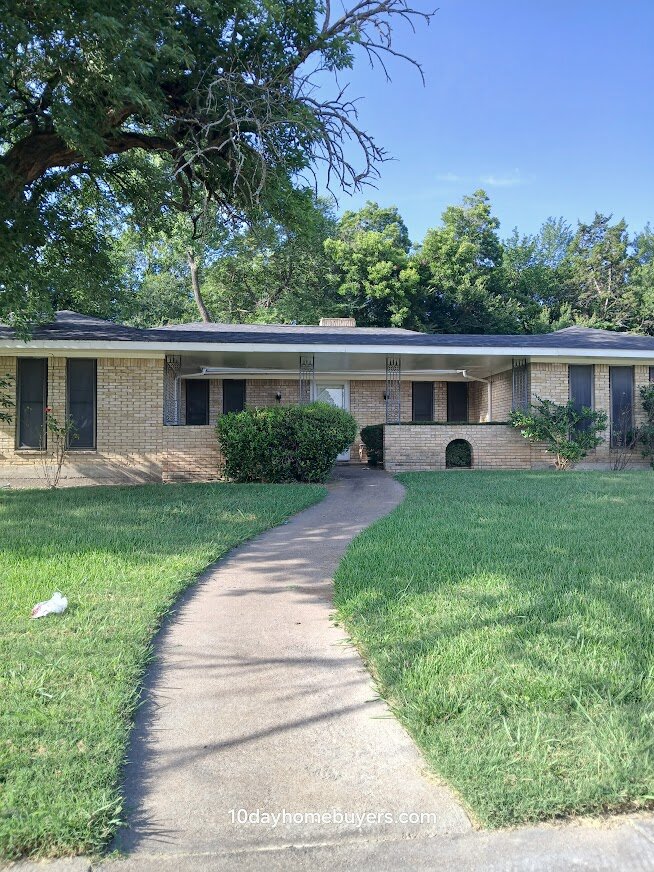
Introduction: Selling Your House During Divorce in Dallas, TX
Going through a divorce can be one of the most challenging experiences in life. Along with the emotional stress and important personal decisions, many couples must determine what to do with their family home. For homeowners in Dallas, TX, selling a house during divorce can create additional questions about finances, ownership, mortgage payments, and how to divide the proceeds fairly.
For some couples, keeping the house is not financially practical. One spouse may not qualify to refinance the mortgage independently, while the other may want to move forward and establish a new home. In other situations, neither spouse wants the responsibility of maintaining the property or continuing to share expenses after the divorce.
If you are considering selling your house during a divorce in Dallas, TX, understanding your options can help you make a more informed decision. You may choose to list your property with a real estate agent, sell it yourself, or consider a direct sale to a local home buyer like 10 Day Home Buyers.
At 10 Day Home Buyers, we understand that selling a house during a divorce involves more than simply putting a property on the market. Our goal is to help homeowners explore a straightforward selling option so they can focus on the next chapter of their lives.
1. Why Do Couples Sell Their House During a Divorce?
When a marriage ends, the family home is often one of the largest financial assets the couple owns. Deciding what happens to that property can be complicated, especially when both spouses have different goals.
Here are several common reasons couples in Dallas, TX, decide to sell their house during a divorce.
Neither Spouse Can Afford the Mortgage Alone
During a marriage, both spouses may contribute to the mortgage payment, property taxes, insurance, utilities, and maintenance. After a divorce, one spouse may struggle to cover all these expenses on a single income.
Selling the house can allow both parties to move forward without the ongoing financial responsibility of the property.
One Spouse Wants to Move On
Sometimes, one spouse wants to remain in the home while the other wants to sell. This disagreement can delay important decisions and create additional stress.
Selling the property may provide a practical solution when neither spouse wants to continue sharing ownership.
The House Has Become a Financial Burden
A home can become expensive to maintain during a divorce. Mortgage payments, repairs, property taxes, insurance, and utilities continue even when the owners are separated.
If the property needs significant repairs or has become difficult to manage, selling it may help both parties reduce their financial obligations.
Both Spouses Want a Fresh Start
Divorce often brings major life changes, including relocating, finding a new home, and adjusting to a different financial situation.
Selling the family home can provide access to available equity and help each spouse plan for the future, subject to the applicable property division agreement or court order.
2. Understanding Texas Divorce and Property Division
Before selling a house during a divorce in Dallas, TX, it is important to understand how Texas treats marital property.
Texas is generally considered a community property state. However, that does not automatically mean every asset will be divided equally in every divorce.
Under Texas law, community property is divided in a manner the court considers just and right. Separate property, such as property owned before marriage or received through certain gifts or inheritances, may be treated differently if the applicable legal requirements are met.
The classification of your house may depend on several factors, including:
- When the property was purchased.
- Whether the home was acquired before or during the marriage.
- How the property was financed.
- Whether separate funds were used toward the purchase or mortgage.
- Whether a prenuptial or postnuptial agreement applies.
- Whether a court order or divorce settlement addresses the property.
Important: The name on the deed or mortgage does not, by itself, resolve every question about ownership or property division under Texas law.
If you and your spouse are considering selling your house during divorce, consult a Texas divorce attorney to understand your rights and obligations before signing a sales contract or agreeing to divide the proceeds.
3. Can You Sell Your House Before Your Divorce Is Final?
In some situations, couples can sell their house before the divorce is finalized. However, the timing and process depend on the circumstances of the case.
If both spouses agree to sell and have the necessary authority to proceed, a sale may help simplify the division of assets.
However, you should not assume that you can sell the property simply because you are separated or because your name appears on the deed.
Temporary court orders, standing orders, injunctions, or other restrictions may limit the ability to sell, transfer, or encumber property during divorce proceedings. The required signatures and approvals can also depend on the ownership structure and applicable legal documents.
Before moving forward, consider these steps:
- Review your divorce orders. Determine whether any restrictions apply to selling the property.
- Speak with your attorney. Confirm whether you can sell the house and what approvals are required.
- Determine the property’s value. Obtain a realistic estimate of what the house could sell for.
- Calculate your estimated equity. Subtract the mortgage payoff and anticipated selling expenses from the expected sale price.
- Agree on how the proceeds will be handled. Follow the applicable settlement, court orders, and closing instructions.
Taking these steps early can help prevent misunderstandings and unnecessary delays.
4. What Happens to the Mortgage When You Divorce?
One of the biggest concerns when selling a house during divorce is the outstanding mortgage.
Even if spouses separate, their financial obligations to the mortgage lender generally do not automatically change. If both individuals signed the mortgage note, the lender may continue to hold both responsible until the loan is paid off or the lender formally releases a borrower.
If you sell the house, the mortgage is generally paid from the sale proceeds at closing.
For example, imagine a couple owns a house in Dallas worth $350,000 and owes $220,000 on the mortgage.
Their estimated equity before selling expenses would be:
Estimated home sale price
$350,000
Outstanding mortgage
$220,000
Estimated equity before selling costs
$130,000
Illustrative example only. Actual proceeds depend on the mortgage payoff, liens, taxes, closing expenses, and other obligations.
The remaining proceeds would then be handled according to the applicable divorce settlement, court orders, and other legal requirements.
It is important to remember that equity is not the same as cash in hand. Selling expenses, unpaid property taxes, liens, and other costs can reduce the final amount available.
5. Should You List Your House or Sell to a Cash Home Buyer?
Homeowners facing divorce in Dallas, TX, generally have several options when selling their property. The best choice depends on the home’s condition, the time available, the financial situation, and the parties’ priorities.
Option 1: List the House With a Real Estate Agent
Listing your house on the traditional real estate market may be appropriate if the property is in good condition and you have time to prepare it for sale.
Potential advantages include:
- Exposure to a broader pool of potential buyers.
- The opportunity to receive competing offers.
- Professional assistance with pricing and marketing.
However, the traditional selling process can involve cleaning, repairs, staging, showings, inspections, negotiations, and buyer financing. Real estate commissions, where applicable, and other transaction costs can also reduce your net proceeds.
Option 2: Make Repairs Before Selling
Some homeowners decide to renovate or repair the house before listing it. Improvements may make the property more attractive to buyers, but they require money, time, and coordination.
During a divorce, disagreements about repair costs or who should pay for them can complicate the process.
Before spending money on improvements, compare the estimated costs with the potential benefit to your final sale price.
Option 3: Sell Directly to a Cash Home Buyer
Another option is to sell your house directly to a company that purchases properties for cash.
A direct sale may offer a simpler process for homeowners who want to avoid extensive repairs or the traditional listing process. Depending on the buyer and transaction, you may be able to sell the property as-is and choose a closing date that works with your circumstances.
However, cash offers are not automatically the best financial choice. A direct buyer may offer less than the price you could obtain through a traditional listing.
Compare the estimated net proceeds, timeline, contract terms, and certainty of closing before deciding which option makes the most sense.
6. How 10 Day Home Buyers Can Help During a Divorce
At 10 Day Home Buyers, we understand that homeowners dealing with divorce may want a straightforward way to sell their property without taking on additional responsibilities.
We work with homeowners in Dallas, TX, who want to explore selling their houses directly rather than going through every step of a traditional listing.
Depending on the property and circumstances, a direct sale may help you:
- Sell your house as-is: Avoid undertaking repairs or renovations before selling.
- Reduce preparation work: You may not need to clean, stage, or prepare the property for repeated showings.
- Explore a flexible timeline: Discuss a closing schedule that fits your plans and legal requirements.
- Understand your selling options: Review a direct offer and compare it with a traditional sale.
- Move toward your next chapter: Explore a potential way to resolve the property decision and move forward.
Every house and divorce situation is different. The offer, closing timeline, and terms depend on the property, title requirements, financing or available funds, and any applicable legal restrictions.
If both spouses have an ownership interest or a legal right to participate in the sale, the appropriate signatures, consent, or court authorization may be required.
10 Day Home Buyers does not replace your divorce attorney. We encourage homeowners to obtain appropriate legal guidance so the sale is handled correctly and the proceeds are distributed according to the applicable agreement or court order.
7. What If Your Spouse Does Not Agree to Sell the House?
Disagreements about selling the family home are common during divorce.
One spouse may want to sell immediately, while the other may want to remain in the property. One may believe the home is worth more than its current market value, while the other wants to avoid additional mortgage payments.
If you and your spouse cannot agree, consider the following steps.
Get an accurate property valuation. A comparative market analysis or professional appraisal can help establish a reasonable starting point for discussions.
Understand the financial costs. Calculate the mortgage payment, property taxes, insurance, maintenance, and other expenses associated with keeping the home.
Discuss your options with your attorney. Your attorney can explain whether the property may be sold voluntarily, awarded to one spouse, or addressed through the divorce proceedings.
Consider mediation. If appropriate, mediation may help you and your spouse work toward an agreement without prolonging the dispute.
Do not attempt to bypass your spouse’s legal rights or applicable court orders. If a dispute cannot be resolved, the court may need to address the property as part of the divorce.
8. How to Prepare Your House for Sale During Divorce
Selling your house during divorce does not have to involve extensive preparation, but organizing a few important details can make the process easier.
Here are practical steps to consider.
Gather Important Documents
Locate the deed, mortgage information, property tax statements, insurance information, and any documents addressing ownership or restrictions on selling the property.
Your title company and attorney can help identify what additional documentation may be needed.
Understand Your Home’s Current Value
Research comparable properties in your Dallas neighborhood or request a professional valuation.
A realistic estimate can help you compare a traditional listing with a direct cash offer.
Review Your Outstanding Expenses
Identify unpaid property taxes, mortgage payments, liens, repair costs, and other obligations that may affect the proceeds.
Avoid Unnecessary Repairs
Before investing in repairs, determine whether they are necessary and whether the likely increase in sale price justifies the expense.
If you are considering selling as-is, ask the prospective buyer which repairs, if any, are expected before closing.
Coordinate With Your Attorney and Title Company
Make sure everyone understands any applicable court orders, ownership issues, required signatures, and instructions for handling the sale proceeds.
Planning ahead can reduce last-minute complications and help keep the transaction organized.
9. Common Mistakes to Avoid When Selling a House During Divorce
When emotions are high, it can be tempting to make quick decisions about the family home. However, a few precautions can help you avoid unnecessary problems.
- Accepting an offer without comparing alternatives. Review your likely net proceeds from a traditional sale and a direct sale.
- Ignoring ongoing housing expenses. Mortgage payments, taxes, insurance, and maintenance may continue while the house is on the market.
- Assuming the equity will automatically be split 50/50. Texas property division depends on the applicable facts, agreements, and law.
- Signing a contract without checking court restrictions. Confirm that the sale is permitted and that the necessary approvals are in place.
- Overlooking the mortgage payoff. Obtain an accurate payoff statement before estimating the final proceeds.
- Failing to document agreements. Follow your attorney’s advice about recording decisions concerning the sale and distribution of funds.
- Waiting too long to evaluate your options. Delays can increase carrying costs and make an already stressful situation more difficult.
Taking a measured approach can help you make a decision that supports your financial interests and your plans for the future.
10. Frequently Asked Questions About Selling a House During Divorce in Dallas, TX
Can I sell my house during a divorce in Dallas, TX?
Possibly. Whether you can sell the house depends on ownership, applicable court orders, legal restrictions, and any required consent or authorization. Consult your divorce attorney before proceeding.
Do both spouses have to agree to sell the house?
Not in every possible legal situation, but both spouses may have rights or obligations that affect the transaction. The answer depends on ownership, court orders, and the circumstances of the divorce. A Texas divorce attorney can explain what applies to your situation.
Can I sell my house during divorce without making repairs?
Yes, a sale without completing repairs may be possible. Some direct home buyers purchase properties as-is, although the offer and terms will depend on the property’s condition and the buyer’s requirements.
How is the money divided when a divorcing couple sells a house?
The mortgage and applicable closing expenses are generally paid from the sale proceeds. The remaining funds are handled according to the divorce settlement, court orders, and applicable Texas law. The division is not necessarily equal in every case.
How long does it take to sell a house during divorce?
The timeline depends on the property, market conditions, buyer financing, title work, legal requirements, and whether the spouses agree to the sale. A direct cash sale may be faster than a traditional listing, but the closing date is not guaranteed.
Can I sell my house during divorce if I am behind on mortgage payments?
Possibly. The amount owed, any foreclosure activity, available equity, title issues, and legal restrictions will affect your options. If foreclosure is a concern, speak with your mortgage servicer and a qualified attorney promptly to understand your deadlines.
Should I sell my house before or after the divorce is final?
There is no universal answer. Selling before the divorce is final may simplify certain financial decisions, while waiting may be appropriate if ownership or property division is disputed. Discuss the timing with your attorney before signing a contract.
Final Thoughts: Selling Your House During Divorce in Dallas, TX
Going through a divorce is difficult enough without the added pressure of deciding what to do with your family home. For homeowners in Dallas, TX, selling a house during divorce may provide an opportunity to address shared financial obligations, access available equity, and move forward with greater clarity. The right decision depends on your financial circumstances, the property’s condition, your legal obligations, and whether you and your spouse can agree on the next steps.
If you are considering selling your house during a divorce, take time to understand your home’s value, mortgage balance, potential selling expenses, and expected net proceeds. Compare a traditional real estate listing with a direct sale to determine which option best fits your needs. Most importantly, make sure the sale complies with any applicable court orders and that the handling of the proceeds is consistent with your divorce settlement and Texas law.
10 Day Home Buyers is here to help you explore your options. If you own a house in Dallas, TX, and are considering selling during a divorce, contact 10 Day Home Buyers at (214) 723-1304 to discuss your property and learn whether a direct sale may be a suitable option. You can explore a straightforward selling process without committing to a decision before you are ready. Our goal is to help you understand your options so you can focus on planning the next chapter of your life.